
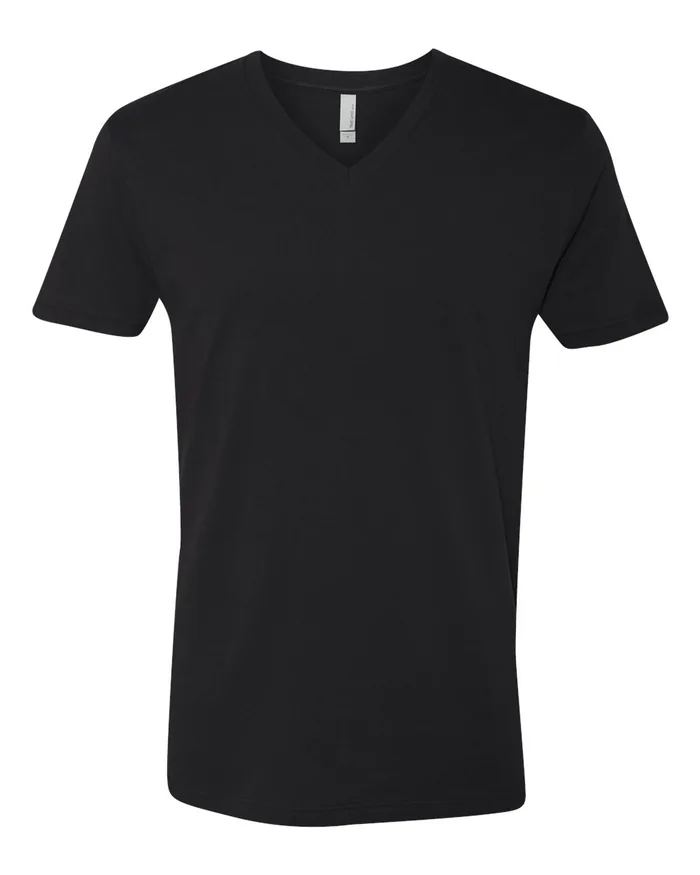
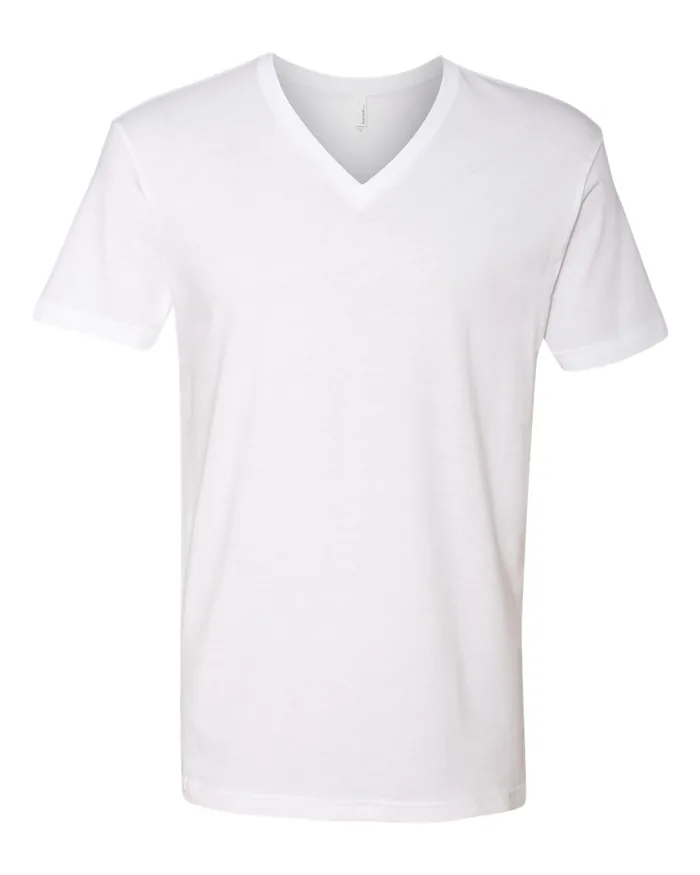
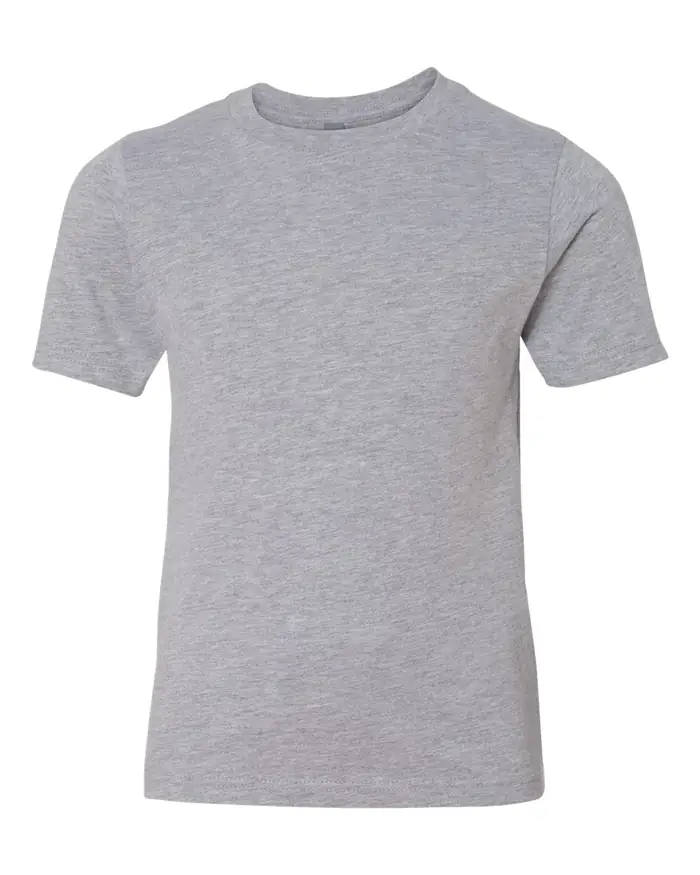
Why a Framer merch store usually starts with a Shopify bill
Framer is the site builder designers and startups pick for the look. At the time of writing it has no store or checkout of its own. Its plans run from a free tier on a Framer domain to Basic at $10 a month and Pro at $30 for a custom domain and more traffic. None of them sells a t-shirt.
The common route is Shopify behind the canvas. Plugins such as Commerce Connect, Framer Commerce and Framerfy pull Shopify products into Framer components. Most need a paid Shopify plan and a Storefront API token, and some charge a license once you publish to your own domain. Then a print-on-demand app goes into Shopify, with products, shipping and tax to set up. That is three moving parts for a merch page.
Merch5 skips the stack. Drop an Embed component onto the page, paste one snippet into its HTML field, and the catalog, cart and checkout render inside it. We print each order in the buyer's region and ship it. You set the retail price and collect the difference.
How to add a merch store to a Framer page
Three steps in the Framer editor. No plugin to install, no product sync to maintain.
Insert an Embed component
Open the Insert menu, search for Embed and drag it onto the canvas, ideally in its own section on a /shop page.
Paste the Merch5 embed code
In the Merch5 app open a product, find Embed on your site and copy the code. In the Embed component's panel switch the type to HTML and paste it.
Size it and publish
Set the component to fill the width and give it enough height for the product grid; check the phone breakpoint. Publish. Products, prices and branding update from the app without touching Framer again.
Shopify plus a plugin vs. a Merch5 store embedded in Framer
| Shopify behind Framer | Merch5 embedded in Framer | |
|---|---|---|
| What you need | A paid Shopify plan, a Framer commerce plugin and usually a POD app | One Embed component |
| Monthly fee | Shopify from $39/mo, plus a plugin license on some plugins | $0 |
| Per order | Shopify payment fees; the POD app's base price | Printing and shipping taken from the order, about $12 for a tee. No platform fee |
| Inventory | Synced from the POD app, or bought and held by you | None. Each item is printed after the customer pays |
| Shipping | You pack and ship, or the POD app does | We ship with tracking to 100+ countries, produced in the buyer's region |
| Product photos | Your own or the POD app's mockups | Generated for every design and color |
| Design control | Every product card is a Framer component you style | The store's own clean layout inside your section |
| Setup | Shopify store, API token, plugin, products, shipping rules, tax | One component, one snippet |
| Good for | A real shop with many products, styled pixel by pixel | Branded tees, hoodies, tanks and more, printed per order |
Framer and Shopify prices are the published US monthly figures at the time of writing; framer.com/pricing has the current ones. Already running Shopify behind Framer? Keep it. The Merch5 component can sit on the same site.
Can you sell products on Framer?
Not natively. These are the three routes people take.
Shopify plugins
Commerce Connect, Framer Commerce, Framerfy and others sync a Shopify catalog into Framer components. Full design control, and a Shopify plan plus a plugin license to pay for.
A payment link
A button to a hosted payment page works for one fixed item. Sizes, colors, printing and shipping stay on you, order by order.
Merch5
No plugin and no Shopify. The Embed component is the store, with printing, shipping and checkout already inside it.
Free to set up. Paid out of orders you already received.
Nothing changes on your Framer plan — the selling part happens on our side. Printing and shipping are charged from the order itself, and everything above cost is yours.
Need branded packaging and inserts, or a custom setup? That lives on the paid plans. Everything described on this page does not.
What a t-shirt actually costs
Framer sites that sell merch
Startup or product launch
The landing page already gets the traffic. A launch tee for early users and the team, printed per order, nothing in a box at the office. Team swag on demand
Designer or studio portfolio
Your own illustrations and type on tees and totes, on the site you designed, without a second store to style. All the ways to sell
Podcast or newsletter site
Episodes, issues and the shop on one domain. Print the line people quote back at you. Merch for podcasts
Not only Framer
The same catalog and the same production sit behind every one of them — pick the one you already use.
Framer questions
Not natively at the time of writing. Selling on Framer usually means a Shopify store connected through a plugin. The Merch5 store brings its own catalog, cart and checkout, so you need neither.
No. The store is the Embed component. Shopify plugins are only needed if you want Framer components to render a Shopify catalog.
The store adapts to the width of the component. Set it to fill the width of its section and give it a generous height; check the phone breakpoint once. If the grid looks cut off, raise the height.
No. The script loads asynchronously and pulls product images only when the store comes into view, so your first paint and Core Web Vitals stay where they are.
Nothing. The store, the product mockups and the hosting are free, and the Framer side costs exactly what it costs you today. Printing and shipping are charged out of an order after your customer has paid for it; there is no platform fee on top.
Everything in the Merch5 catalog: tees, v-necks, tank tops, hoodies, kids and infant sizes, plus accessories and print items. Each product is printed per order, so you can list the whole range without buying any of it.
We do. Each order goes to the production partner closest to the buyer and ships with tracking to more than 100 countries, so delivery times stay sane even when the audience is not in your country.
Your margin on every completed order adds to your balance in the Merch5 dashboard. Request a payout whenever you want it. There is no minimum amount. You set the retail price, so you decide what that margin is.
Paste the same snippet into the new builder. Moving hosts does not touch your store, your orders or your payouts.
Your Framer site is designed. The store takes five minutes.
No Shopify plan, no plugin, no inventory.